Average Reviews:

(More customer reviews)Although "The Jazz Singer" was the first film with sound, it remains largely a silent film. It's 89 minutes long and (this is merely an estimate, I didn't time it) at least an hour of the film is silent.
There's little spoken dialogue, and the dialogue that is spoken is spoken only to prove that it could be. In fact, about 95% of the dialogue is handled with title cards. Nevertheless, "The Jazz Singer" is an interesting film to watch because you are, afterall, watching history in the making. The film was released in 1927; a year Peter Bogdanovich called the greatest year in Hollywood history. It's the year when silent films reached perfection, only to become extinct. "The Jazz Singer" begins as any other silent film does. We meet a rabbi and his wife, while their young son Jakie is performing jazz tunes at a nearby club. We hear him singing, but not very clearly. The rabbi, outraged that his son is singing jazz music, removes him from the club and whips him, prompting Jakie to run away. Years later, Jakie has changed his name to Jack Robin and is preparing to show an audience his skills for the first time. Jack (played by Al Jolson) stands up, looks at the people, and then it happens. "Talkies" are born with a song called "Dirty Hands, Dirty Face." Most of the sound in the film comes from Jolson singing, because the technology to record sound had not yet been perfected. If you've ever seen "Singin' in the Rain" you remember how it was hilarious parodied that actors had to (clearly) lean forward to speak into a hidden microphone. The plot is badly dated and, chances are, you won't be seeing the film for the plot anyway. Most anyone who sees this movie will only be seeing it because they want to see the birth of "talkies" or they're working their way through The American Film Institute's Top 100. This is a film that is on that list (#90), not because it is one of the 100 best films ever made but, because it is one of the most important. This is not, when you get right down to it, a great film. If this movie had been the 2nd talkie made, it would not be remembered today (and probably wouldn't be available on any video format). Al Jolson was cast in the film because he was one of the most popular entertainers of the time. With his flamboyant gestures and old-timey voice, you can see why. The ending of the film made me laugh. Not because it's funny, but because of a little paradox it has. In today's cinema, we still have movies about the guy doing something his parents don't want him doing. At the end, the parents finally watch what their kid is so fascinated with and they (oh so stereotypically) change their minds. The end here is like that, except in reverse. "The Jazz Singer" is not an entertaining movie, it's not a movie your kids will like, but it IS cinematic history. And for that, alone, you should see it.
ENTERTAINMENT: C
SONGS: B
STORY: C-
PICTURE QUALITY: B+
IMPORTANCE: A
GRADE: B- or C
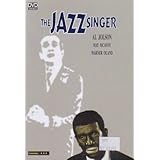
Click Here to see more reviews about: The Jazz Singer (Import - NTSC all regions)

Click here for more information about The Jazz Singer (Import - NTSC all regions)

0 comments:
Post a Comment