Average Reviews:

(More customer reviews)The ultimate conspiracy has been uncovered. The Smoking Man isn't the father of "The X-Files" Mulder. Reporter Carl Kolchak is. . In January 1972 ABC ran a movie of the week they had mixed feelings about. The promos had received a good response and preview audiences rated it as highly as a very good theatrical film. "The Night Stalker" seemed like it was slumming since it really was a horror movie about a vampire stalking women in modern day Las Vegas. The modern day Van Helsing hunting down the vampire is a veteran, cynical reporter in a seersucker suit. Reporter Carl Kolchak (Darren McGavin) has had many big stories in his day but his sensationalistic style rubs his editor Vincenzo (Simon Oakland) the wrong way. Kolchak has a habit of ticking off city officials and generally getting the paper in hot water. When Kolchak announces in his story that a modern day vampire stalks the city streets he runs into a city cover up. Kolchak becomes the only person that can stop the vampire (Barry Atwater) because no one will believe his incredible story.
"The Night Stalker" really put ABC's "Movie of the Week" on the map. With an unheard of 54 share (meaning over half the audience in the United States were watching the program), it blew away every other TV movie including the well regarded "Brian's Song" that came before it. Writer Richard Matheson ("The Twilight Zone", "What Dreams May Come"), producer Dan Curtis ("Dark Shadows") and veteran TV and movie director John L. Moxey ("Circus of Fear") crafted an amazing TV event. When it was first shown to ecstatic preview audiences ABC vice-president Barry Diller realized that they should have turned it into a theatrical feature. McGavin's Kolchak and the second TV film and 1974 TV series that followed became the inspiration for Chris Carter's "The X-Files" and "Millennium". The first TV film holds up very well thirty-three years later. Moxey's sharp, realistic direction, Matheson's humorous but no nonsense script and the strong performances from the cast make this that rare TV movie that has the same qualities as a dynamic theatrical movie. At 74 minutes the brief, powerful first film is the better of the two. The sequel "The Night Strangler" also set the industry abuzz with a script that took all the best elements of the first film and crafted another suspenseful story that, if slightly less effective, still managed to capture the imagination of TV audiences.
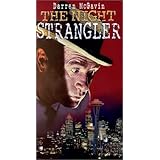
"The Night Strangler" takes place in Seattle, Washington. Kolchak was fired at the end of the first film. Vincenzo now the editor of the Seattle Daily Chronicle runs into a drunk Kolchak showing his clippings about the killer in the first film to any reporter that will sit still. Vincenzo takes pity on Kolchak and, against his better judgement, hires him again. The dead end story of the murder of an exotic dancer suddenly inflames local officals when Kolchak discovers that the same pattern of murders reoccur every 21 years. The circumstances are quite different from those of the first film. The victims all had their necks broken but with 7cc of blood and a puncture mark at the base of the skull. Kolchak's incredible story causes Vincenzo's ulcer to act up. Suddenly, Kolchak is hunting monsters again very much on his own.
With a strong supporting cast, witty well written script and taunt direction by Dan Curtis, "The Night Strangler" also became a huge success prompting ABC to commission yet a third script from Matheson. Instead, the network decided to develop the films into a TV series but then, strangely, dumped it in the TV graveyard on Friday night at 10 o'clock. It was summarily cancelled after only 21 episodes but the inspiration of "Kolchak: The Night Stalker" and the rest, as they say, is history.
An exceptional transfer that looks great, there's very few analog blemishes that I can detect. The picture for both "The Night Stalker" and "The Night Strangler" occasionally appeasr a bit soft but, overall, the sharp images and vibrant color restores these TV classics to the way it should be viewed. The mono sound is faithfully reproduced.
We get two short featurette/interviews with producer/director Dan Curtis on the history and production of the film. Both include clips from the respective movies but little more. A bit more on the production and perhaps some of the publicity materials also would have been interesting to include.
This dynamic duo of classic TV movies presented on a single dual sided disc both were overdue for such treatment. The transfers here appear better than the previous Anchor Bay editions. The brief featurettes with Dan Curtis discussing the history of both movies provide a fun glimpse into the challenges of producing TV movies in the 70's. A pity there's no commentary track from Dan Curtis, Richard Matheson or any of the surviving cast members for either movie.
Click Here to see more reviews about: Night Strangler (1973)

Click here for more information about Night Strangler (1973)

0 comments:
Post a Comment