Average Reviews:

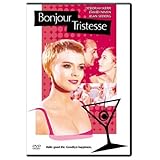
(More customer reviews)This stylish film is one of Otto Preminger's best. The French New Wave has influenced him in his opening shots, but only on a visual level. This is pure Hollywood on ever other level. The melding of the two styles works perfectly and begins by setting the stark mood in stunning black and white widescreen shots of 1958 Paris. The present is painted in shades of grey and silver, where Cecile portrayed by the beautiful Jean Seaberg moves aimlessly thought her pointless upper crust Parisian life. Only when she encounters her father David Niven later in the evening does the past seep in on the edges of the cinemascope frame in vivid color and finally takes over moving us from the present to last summer on the Riviera. The device is used several times as we move from past to present and finally at the end of the film it creates a stunning effect once you know what suddenly happed to Cecile and her father last summer. The thing that changed everything forever and allows Preminger's camera to linger in the last frame of the film on Jean Seaberg as she wipes away the make-up from her perfect face.
David Niven is perfectly cast as Raymond the aging (...) father of Cecile. He has the cool style and humor of a man who can't commit to any woman and treats his daughter like a playmate rather than his child. His particular talents as an actor are that he seems to be playing the "David Niven" character in most of his films but here in `Bonjour' as he often does in so many roles he makes a nice little twist on the "character". He catches you off guard to wrench his and the audiences emotions and prove once again what a good actor he is.
At first Deborah Kerr also seems to be playing her role by rote but it is just a ruse to set us up for her fall. As does Niven she too digs deeper in to her persona as Anne Larson and carries the film to its surprise ending. She is a joy to watch as a film actress and here she is particularly wonderful.
The French actress Mylene Demongeout is delightful as Elsa, Ramon's summer plaything. She is in fact `Brilliant!" in the role.
Geoffrey Horne is decorative and serviceable in his role as Cecile's beau who awakens her (...) .
Jean Seaberg who with her short cropped spiked hair in certain shots reminded me of Sharon Stone has that kind of blonde goddess look that Miss Stone possesses. She was only 19 when she made the film and in the hands of her director she presents us with a sensitive and spellbinding performance as Cecile. She is at once a teenager in turmoil and a young girl on the verge of becoming a woman. This is a delicate high wire act that the young Miss Seaberg executes with charm and elegance. She is festinating to watch and just right for the role.
The subject matter is even today a little shocking and indeed this is one of the films of the 1950's that put the sin in Cinemascope. Despite the restrictions of the day or because of them filmmakers of that time were challenged in ways they are not today. Challenged to be inventive and insinuate things that we were too innocent or too naive to know happen in the world. Those filmmakers knew that the imagination is more vivid and titillating than what they might show. It was good that the antiquated production code of the Hayes office crumbled in the 60's but with it's passing we lost a whole vocabulary in film. Here is a wonderful example of the meeting of the Movies and 50's cinematic innuendo that serves this delicate story to a tee. I think "Bonjour Tristesse" is `Brilliant!'
Click Here to see more reviews about: Bonjour Tristesse (1958)

Click here for more information about Bonjour Tristesse (1958)

0 comments:
Post a Comment